


Have you ever heard someone described as “demure” and wondered what that really means? 🤔 From classic novels to TikTok videos and professional settings, demure is a word that pops up in many contexts.
But it’s more than just a fancy adjective — understanding demure helps you recognize subtle elegance, interpret compliments accurately, and use English with nuance.
In this guide, we’ll break down the meaning, origins, usage, and cultural significance of demure, so you’ll know exactly how to use it — in conversations, writing, and even professional settings.
💡 Definition & Meaning

Demure is an adjective used to describe someone who is quiet, modest, reserved, or shy in a graceful and appealing way.
- Example 1: “She gave a demure smile when complimented.”
- Example 2: “His demure demeanor made him approachable and polite.”
Quick Definition Table (Snippet-Friendly):
| Term | Meaning | Context |
|---|---|---|
| Demure | Quiet, modest, reserved, graceful | Personality, demeanor, behavior |
| Shy | Timid or nervous | Casual / neutral |
| Reserved | Controlled, restrained | Professional or formal |
| Modest | Humble, unassuming | Social, positive |
Tip: In modern texting, you might describe someone as demure to highlight charm or subtle elegance.
📜 Background & History

The word demure comes from the Middle English demuren, meaning to behave modestly or restrain oneself, and traces further back to the Old French demeurer (“to stay, remain”). Over centuries, it evolved to describe graceful restraint and elegance.
In literature, authors like Jane Austen frequently described heroines as demure — balancing modesty with intelligence and charm. Today, the term applies to anyone, regardless of gender, and is commonly seen in social media, professional contexts, and fashion.
Fun fact: On platforms like Instagram, influencers sometimes use demure to describe subtle, stylish outfits or refined behavior in videos.
💬 Usage in Various Contexts
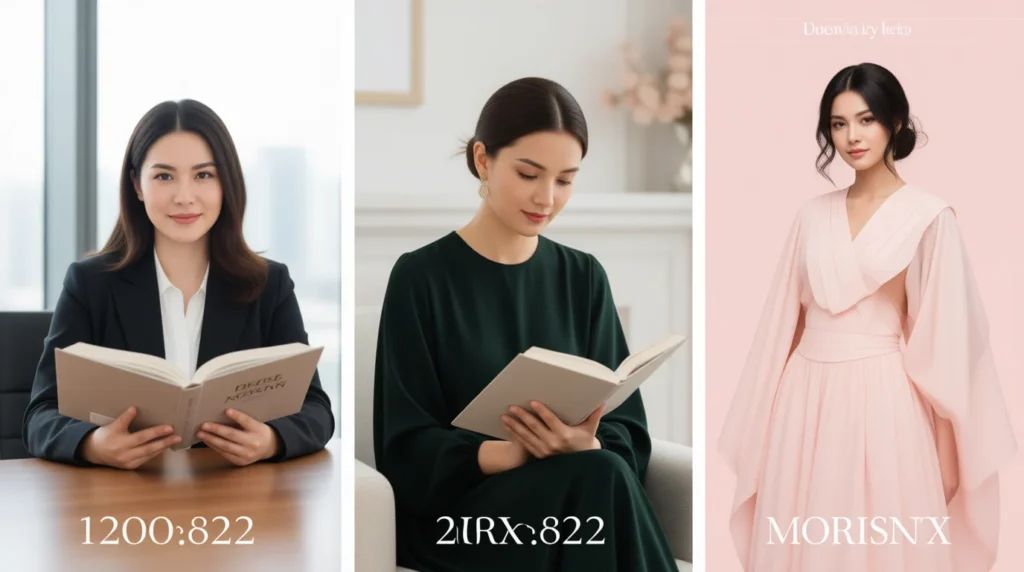
| Context | Example | Tone |
|---|---|---|
| Literary | “Elizabeth Bennet had a demure smile that hid her wit.” | Elegant, refined |
| Professional | “He maintained a demure tone during the meeting.” | Polite, restrained |
| Casual | “She was demure at the party but confident in conversation.” | Positive, approachable |
| Fashion / Style | “The dress was simple and demure, yet stylish.” | Modest, elegant |
Tip: Tone matters — demure is positive when graceful, but could seem distant if overly reserved.
⚖️ Common Misconceptions
❌ Myth 1: Demure means weak or submissive.
✅ Reality: Demure implies reserved elegance, not inferiority.
❌ Myth 2: Only women can be demure.
✅ Reality: Anyone, regardless of gender, can be described as demure.
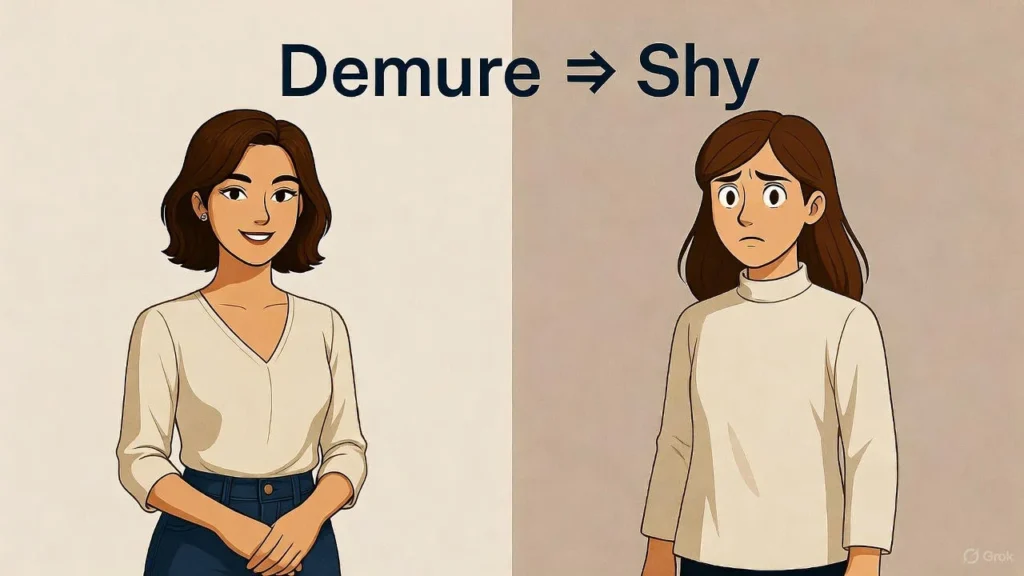
❌ Myth 3: Demure is the same as shy.
✅ Reality: Shy implies nervousness; demure implies controlled, modest behavior with grace.
🔁 Similar Terms & Alternatives
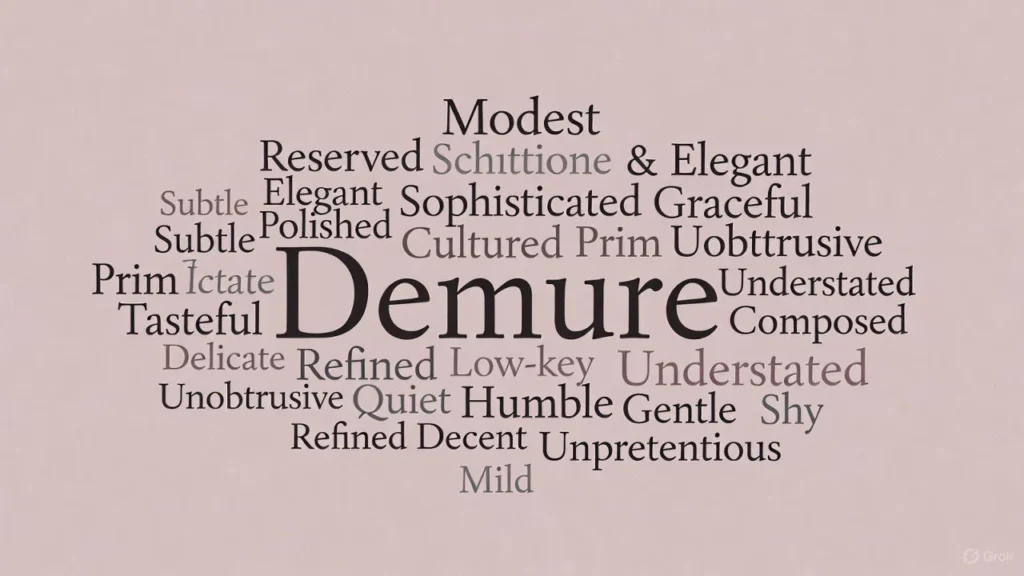
| Term | Meaning | Use |
|---|---|---|
| Modest | Humble, unassuming | Social or professional |
| Reserved | Restrained, composed | Professional or formal |
| Shy | Nervous, timid | Casual, neutral |
| Subtle | Gentle, understated | Positive descriptive style |
| Refined | Elegant, polished | High-class or formal |
Pro tip: “Demure” adds a touch of sophistication that words like “shy” or “modest” might lack.
💬 How to Use “Demure” in Conversation

- Compliment politely: “You have a demure elegance that’s very appealing.”
- Describing behavior: “He remained demure throughout the discussion.”
- In writing: “The demure details of the room made it cozy yet sophisticated.”
🌎 Regional & Cultural Differences

In English-speaking countries, demure can describe personality, fashion, or demeanor. In literature and formal writing, it emphasizes elegance and propriety. On social media, it often highlights subtle charm or stylish modesty.
Example: “Her outfit was demure, perfect for a professional event yet stylish enough for Instagram.”
🚫 Hidden or Negative Meanings

Demure is rarely negative. However, in ironic or sarcastic contexts, it might suggest someone is overly restrained or distant. Tone always defines the interpretation.
🏢 Suitability for Professional Communication

Demure is safe and effective in professional writing or presentations:
- “She presented herself in a demure manner during the interview.”
- “The demure design of the office space reflected the company’s brand values.”
It’s a polished alternative to words like reserved or modest in professional contexts.
❓ FAQs
1. What does demure mean in simple words?
→ Quiet, modest, and graceful or elegant in behavior.
2. Can men be described as demure?
→ Absolutely — it’s gender-neutral.
3. Is demure a compliment?
→ Yes, generally highlighting charm and sophistication.
4. How is demure different from shy?
→ Shy implies nervousness; demure implies controlled, modest elegance.
5. Can demure describe fashion or style?
→ Yes, it often describes modest, elegant clothing or design.
🌸 Conclusion
Demure is a versatile, elegant word perfect for describing personality, behavior, or style.
From literary heroines to social media trends, it conveys subtle charm, grace, and refinement.
Next time you want to highlight someone’s modest elegance or sophisticated style, demure is the perfect choice — classy, polished, and universally understood. 🌟
