


Ever seen YTD on financial reports, salary slips, analytics dashboards, business apps, or YouTube stats and wondered what it actually means? 🤔
This small abbreviation pops up everywhere—from bank statements to workplace performance updates—but many people never learn its exact meaning.
This guide breaks down what YTD means, how it’s used, where you’ll see it, and why it matters, all in a simple, friendly, and real-world way.
What Does YTD Mean?
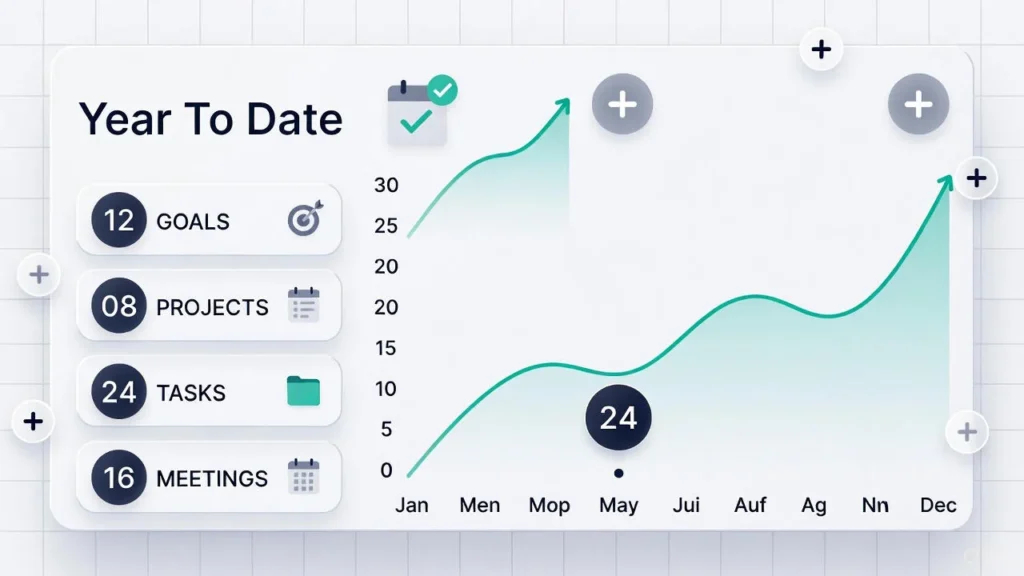
YTD stands for “Year To Date.”
It refers to the period starting from January 1st of the current year up to today’s date.
It’s a quick way to summarize performance, progress, spending, earnings, or growth from the beginning of the year until now.
Background & History

The term “Year To Date” originated in accounting, where businesses needed a fast, standardized way to compare performance without waiting for the full year to end.
Over time, YTD became common in:
- Banking
- Personal finance
- Sales and marketing
- Analytics dashboards
- Media and streaming platforms
Today, it’s a universal progress snapshot.
Usage in Various Contexts
Here’s how YTD appears in real life:
1. Banking & Finance
- “YTD interest earned”
- “YTD balance growth”
- “YTD investment return”
2. Workplace / Salary
- Pay slips show YTD earnings, YTD tax, YTD benefits, etc.
3. Analytics & Marketing
- “YTD sales”
- “YTD website traffic”
- “YTD engagement”
4. YouTube & Social Media
- “YTD views”
- “YTD subscribers gained”
Common Misconceptions
❌ YTD doesn’t mean the full year.
It only counts from Jan 1st to today.
❌ YTD is not limited to finance.
It’s used across business, marketing, and online platforms.
❌ YTD does not start from your company’s fiscal year (unless stated as “Fiscal YTD”).
Similar Terms & Alternatives
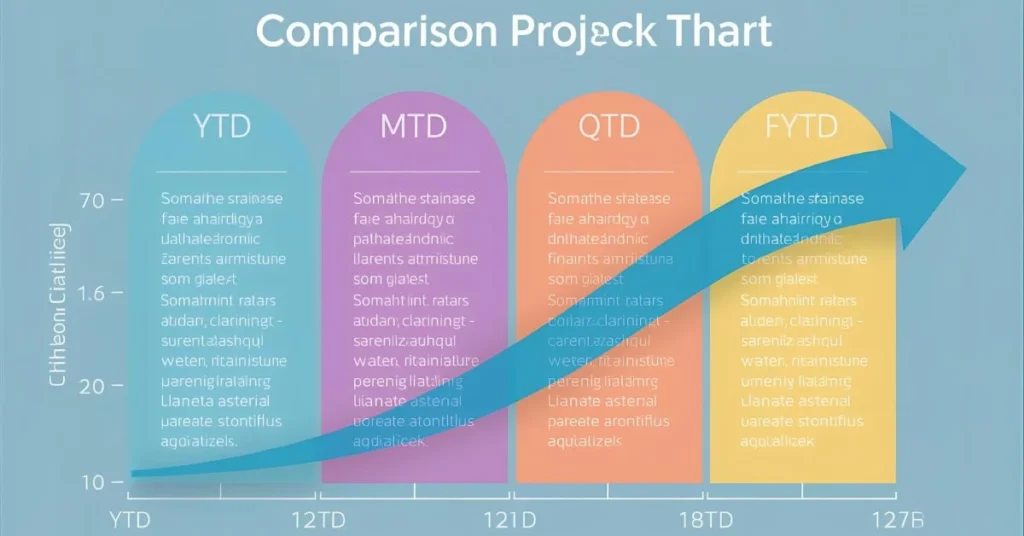
| Term | Meaning | Difference |
|---|---|---|
| MTD | Month To Date | Start of the month to today |
| QTD | Quarter To Date | Start of the quarter to today |
| FYTD | Fiscal Year To Date | Follows company’s fiscal calendar |
| YTD | Year To Date | Jan 1 to today |
How to Respond or Use It

If someone mentions YTD, you can reply with:
- “Got it — what’s the YTD comparison to last year?”
- “Can you share the YTD totals?”
- “Is this fiscal YTD or calendar YTD?”
Professional, simple, and clear.
Regional or Cultural Differences
Most regions follow the calendar year (Jan–Dec), so YTD is straightforward.
However:
- Some companies follow fiscal years (e.g., April–March).
- Government departments may use different reporting cycles.
Always check if someone means calendar YTD or fiscal YTD.
Comparison With Similar Concepts
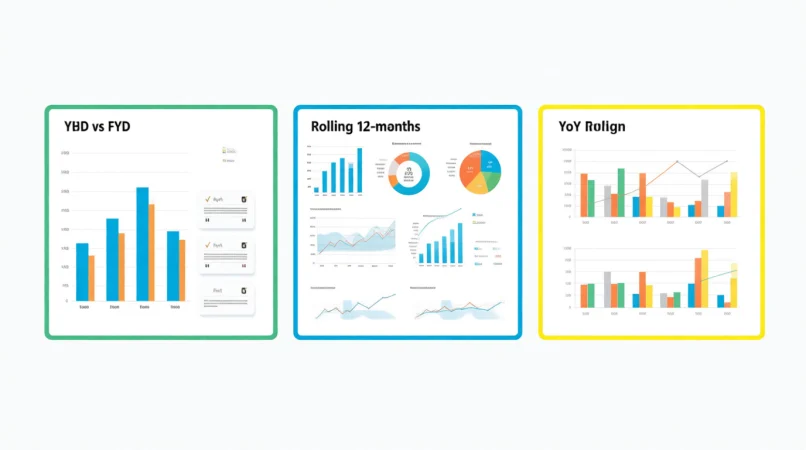
While YTD = Jan 1 to today, other progress indicators measure specific ranges:
- Rolling 12-months: last 12 months from today
- YoY (Year over Year): comparison to the same period last year
- Full-year projection: estimate for the whole year
YTD gives current progress, not predictions.
Usage in Online Communities & Apps
You’ll see YTD in:
- Fitness apps (YTD calories burned, YTD steps)
- Streaming platforms (YTD listen hours)
- Crypto apps (YTD gains)
- Social media dashboards (YTD reach or views)
- Gaming stats (YTD playtime)
It’s a universal progress tracker.
Hidden or Sensitive Meanings

YTD has no hidden or slang meaning.
It’s purely a business, finance, and analytics term—totally safe in all contexts.
Suitability for Professional Communication

YTD is very professional and widely used across formal environments.
Use it confidently in:
- Reports
- Presentations
- Emails
- Dashboards
- Client updates
Just ensure clarity when fiscal calendars differ.
FAQs
1. Does YTD start on January 1st?
Yes—unless specified as fiscal YTD.
2. Is YTD used in personal finance?
Absolutely—banks and investment platforms use it often.
3. Can YTD be negative?
Yes, especially in investments or performance stats.
4. What does YTD mean on payslips?
It shows your total earnings, deductions, and benefits for the year so far.
5. Is YTD only for money?
No—it’s used for goals, stats, progress, performance, and much more.
6. What’s the difference between YTD and FYTD?
FYTD follows a company’s fiscal year, not the calendar year.
Conclusion
YTD—Year To Date—is a simple yet powerful way to track progress from the start of the year up to today.
If it’s money, performance, stats, or everyday progress, YTD helps you understand how far you’ve come and what direction you’re headed in.
It’s clear, useful, and universally recognized—no matter the industry or platform.
