
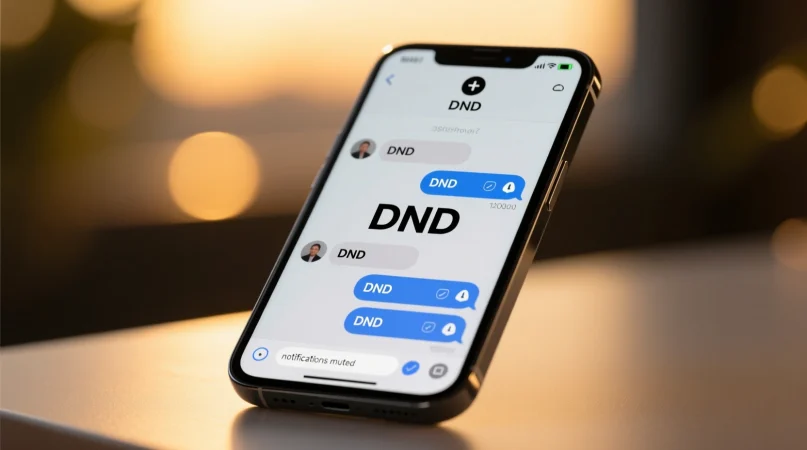

DND stands for “Do Not Disturb.” It is a way to indicate that someone is temporarily busy or unavailable, whether on a phone, in a chat, or during a game session.
We live in a world full of notifications, pings, and constant digital interruptions. DND comes in to helps you protect your time, maintain focus, and communicate boundaries without offending anyone.
Activating DND allows you to focus without guilt, while others understand you are temporarily unavailable.
By the end of this article, you will fully understand DND meaning in text, phones, social media, professional settings, and gaming, know how to respond to it, and navigate different cultural contexts.
Definition & Meaning
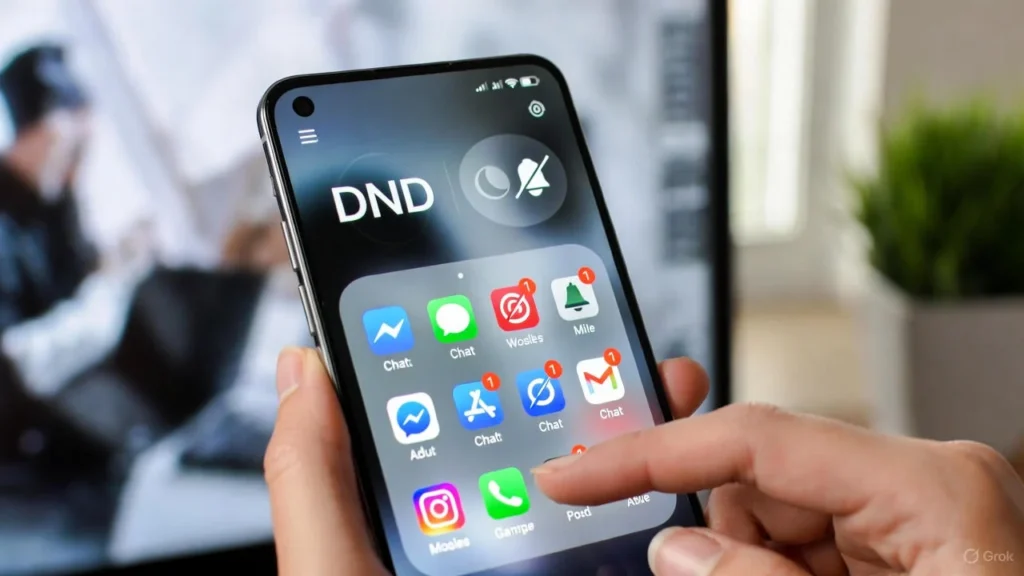
DND is a simple, universal way to communicate: “I’m busy, please don’t disturb me.”
Texting / Messaging Examples:
- Friend 1: “Hey, want to grab coffee?”
- Friend 2: “DND for a bit, finishing work. I’ll text later.”
Phone / Device Usage:
Turning on DND on your smartphone silences calls, notifications, and alerts temporarily. This helps you focus, relax, or sleep without interruption.
Gaming / Online Communities:
- In online games or role-playing campaigns, players often mark themselves as DND to indicate they are focusing on a task.
- Example: Player 1: “Join the raid?”
Player 2: “DND for an hour, grinding XP solo.”
Professional Context:
- On platforms like Slack, Teams, or Zoom, DND indicates focus or a meeting in progress.
- Example: “DND until 3 PM, will respond afterward.”
DND is polite, respectful, and can be adapted to casual, professional, or gaming environments.
Background & History
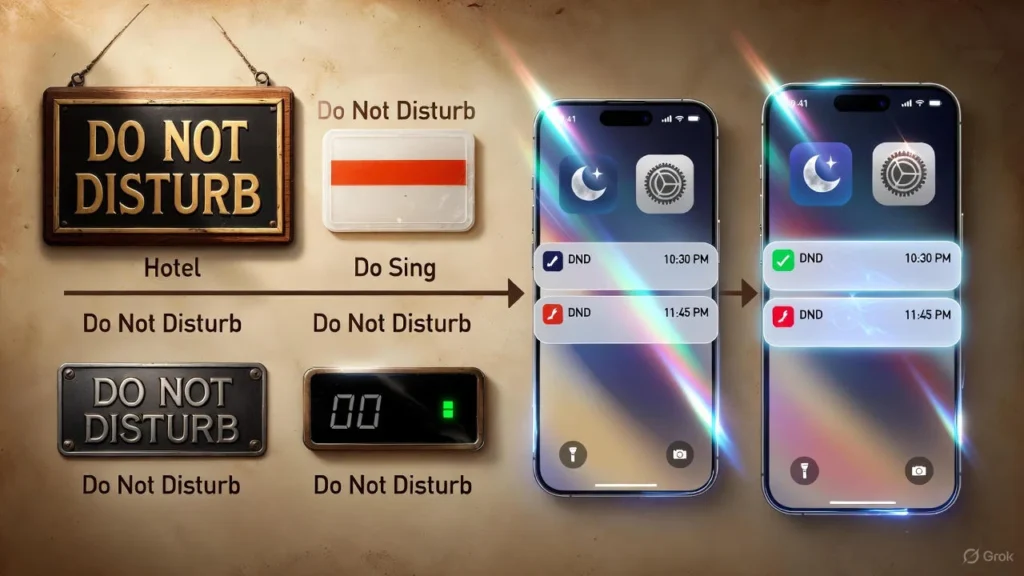
The concept of DND began in hotels, where a “Do Not Disturb” sign prevented housekeeping from entering rooms. It then evolved with technology:
- Telephone Era: Phones introduced DND to block unwanted calls.
- Digital Era: Messaging apps like WhatsApp, Discord, and Slack included DND modes to mute notifications.
- Gaming Communities: Players in role-playing games and online multiplayer sessions adopted DND to focus on gameplay.
Mini-case Study:
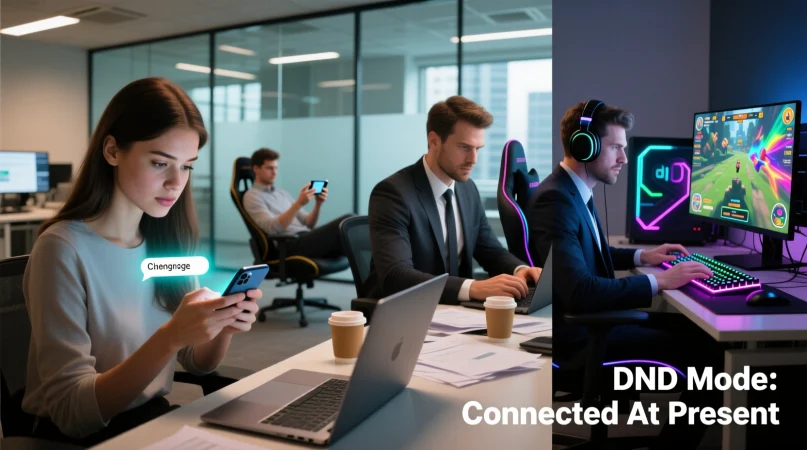
A project manager working on a tight deadline sets DND mode on their phone and laptop. Notifications stop, productivity rises, and colleagues know not to disturb them.
Today, DND is recognized worldwide, from professional tools to social apps and gaming platforms, making it a universal focus-management tool.
Usage in Different Contexts
1. Texting and Messaging Apps
- Example: “DND until 5 PM, will reply after finishing tasks.”
- Dialogue:
Colleague: “Can we discuss the report?”
You: “DND for the next hour, then we can review it.”
2. Phone / Device
- Activating DND silences calls, notifications, alarms, and alerts.
- Scenario: Someone is on a flight or in a meeting, so turning on DND ensures they won’t be disturbed.
3. Gaming / Role-Playing Games
- Players use DND to focus on raids, campaigns, or game strategy.
- Example: In Dungeons & Dragons, DND may also relate to character stats:
- Constitution: Health and stamina
- Dexterity: Reflexes and agility
- Intelligence: Problem-solving
- Wisdom: Perception and insight
- Charisma: Social influence
- Insight: Understanding situations
- Arcana: Magic knowledge
- Bonds: Character relationships
- DC: Difficulty Class in game mechanics
- BBEG: Big Bad Evil Guy, main antagonist
- TPK: Total Party Kill
Mini Dialogue:
Player 1: “Ready for the boss fight?”
Player 2: “DND for 20 minutes, finalizing strategy.”
4. Professional / Workplace Context
- DND is widely used on Teams, Slack, Outlook, and Zoom.
- It communicates focus time and helps maintain productivity.
- Example: “Focused time: DND until 4 PM. Will reply afterward.”
Common Misunderstandings
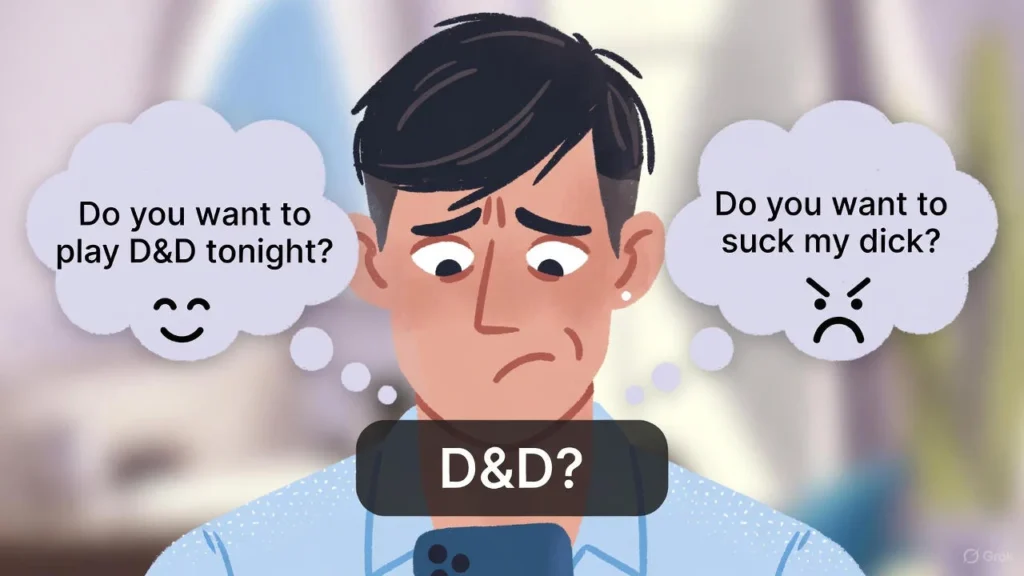
- Rudeness: Some think DND is impolite. It isn’t—it’s a boundary-setting tool.
- Duration: DND is temporary; clarify timeframes to avoid confusion.
- Digital vs Physical: Though modern, DND has roots in physical signs and etiquette.
Tip: Include availability info: “DND until 3 PM” prevents misunderstandings.
Similar Terms & Alternatives

| Term | Meaning | Context |
|---|---|---|
| AFK | Away From Keyboard | Gaming / Casual |
| BRB | Be Right Back | Chat / Casual |
| Busy | Occupied / Focused | Professional / Chat |
| Mute | Notifications silenced | Phone / Social Media |
Mini-Scenario:
A gamer says “AFK 10 minutes,” while a professional sets DND for focused work. Both signal temporary unavailability in context-appropriate ways.
How to Respond

- Casual: “No worries, talk later!”
- Friendly / Funny: “I’ll wait for you 😎.”
- Professional: “Understood, will follow up afterward.”
- Respectful / Private: “Got it, I’ll wait to contact you later.”
Regional & Cultural Variations
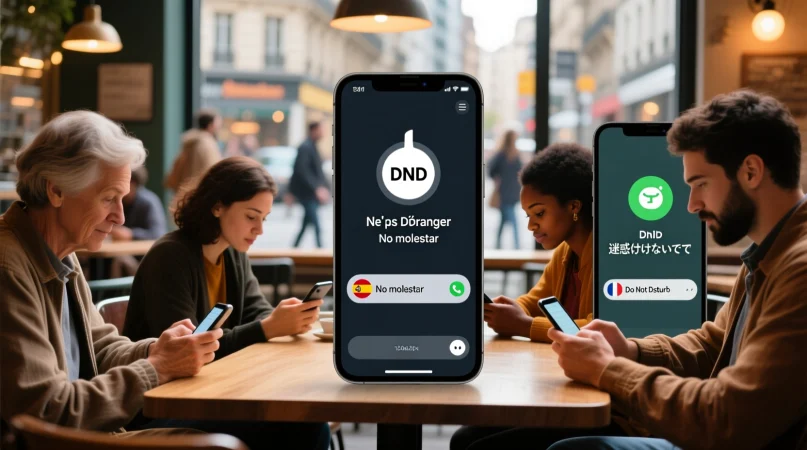
- French: Ne pas déranger
- Spanish: No molestar
- Japanese: 邪魔しないで (Jamashinaide)
DND is widely understood globally, even if the language differs. The principle of respecting someone’s focus remains the same.
Mini-case: A Spanish-speaking colleague sets DND. Even non-Spanish speakers recognize the intent: don’t disturb.
Hidden or Alternative Meanings
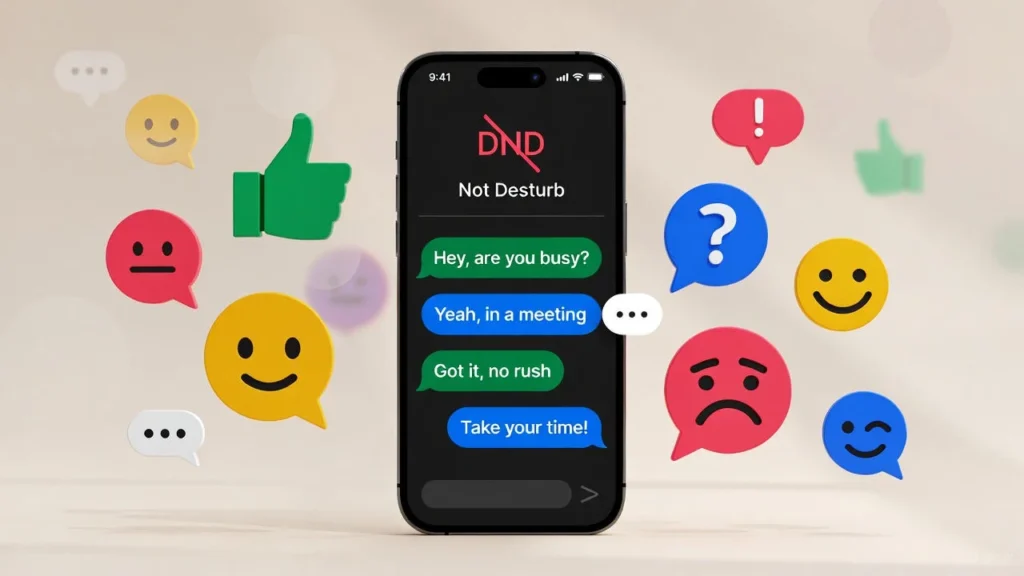
- Generally neutral, but tone matters. A bare “DND” may feel abrupt in casual conversations.
- In gaming, DND may coincide with status indicators like “AFK” or “Busy,” which can be misinterpreted if not explained.
Professional Communication Tips
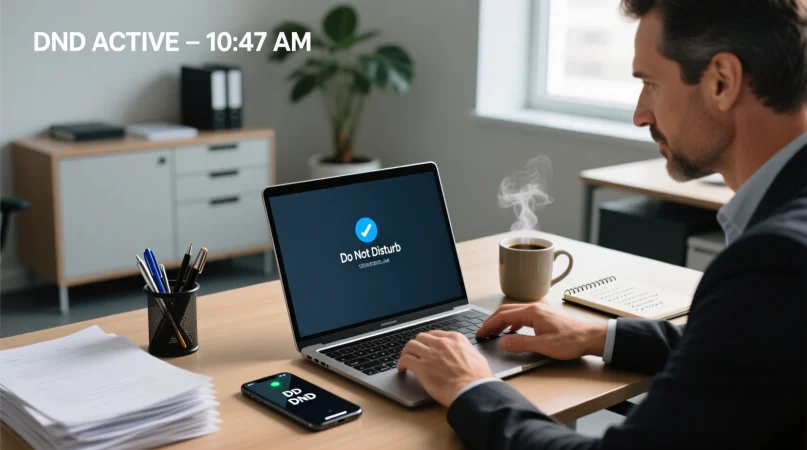
- Always clarify context when using DND in work settings.
- Pair DND with a brief explanation: “DND until 2 PM—finalizing report.”
- Alternative phrasing: “Focused time,” “Unavailable until [time].”
- Helps colleagues and clients respect your time while maintaining professionalism.
FAQs
1. What does DND mean in texting?
It indicates temporary unavailability.
2. Can DND be used in professional settings?
Yes, it’s a polite way to signal focus.
3. Is DND rude?
No, it communicates boundaries respectfully.
4. How is DND different from AFK?
AFK is casual and short-term; DND can be formal and flexible.
5. Can DND be used in gaming?
Yes, to focus on tasks or campaigns.
6. What are common stats related to DND in Dungeons & Dragons?
Constitution, Dexterity, Intelligence, Wisdom, Charisma, Insight, Arcana, Bonds, DC, BBEG, TPK.
7. How should I respond to someone on DND?
Acknowledge their time, wait, and follow up later.
8. Can DND be set on phones or apps?
Yes, most smartphones and messaging apps support DND for notifications.
Conclusion
DND is a universal tool to manage focus, respect boundaries, and communicate availability.
From phones and messaging apps to gaming and professional platforms, understanding DND ensures smooth communication.
By setting DND and responding appropriately, you protect your time, increase productivity, and maintain respect across digital and real-life interactions.
Mini-case: A team using DND for focused work finishes tasks faster, while a gaming group enjoys uninterrupted sessions—everyone benefits.
