

Contingent means “dependent on specific conditions or events.”
The term appears everywhere—real estate listings, home sales, professional contracts, and casual discussions.
Understanding what does contingent mean is crucial, especially in real estate. It helps buyers, sellers, and agents know that a transaction isn’t final until certain conditions are met.
If it’s a financing contingency, inspection requirement, or offer approval, knowing contingent meaning in real estate ensures clarity and avoids surprises.
Today, we’ll explore what contingent means, how it’s used in real estate, its variations like “active contingent,” and why it matters in both professional and casual contexts.
Definition & Meaning
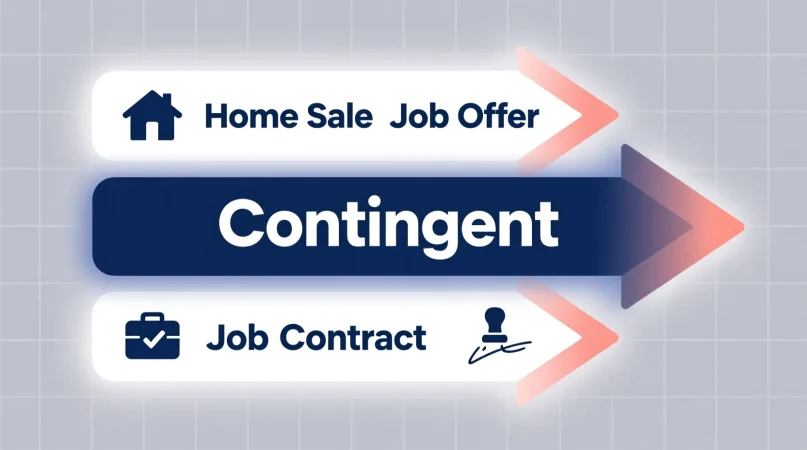
Contingent is an adjective that describes a situation dependent on specific conditions being met.
Examples in Dialogue:
Agent: “The house is contingent on the buyer securing financing.”
Buyer: “So if the loan isn’t approved, the sale won’t go through?”
Agent: “Exactly, that’s what contingent means.”
Key Points:
- Dependent on conditions – the outcome happens only if requirements are met.
- Common in real estate – used in listings like “contingent on inspection” or “active contingent.”
- Frequently searched queries:
- what does contingent mean on a house for sale
- what does contingent mean on Zillow
- what does contingent mean in real estate
Background & History
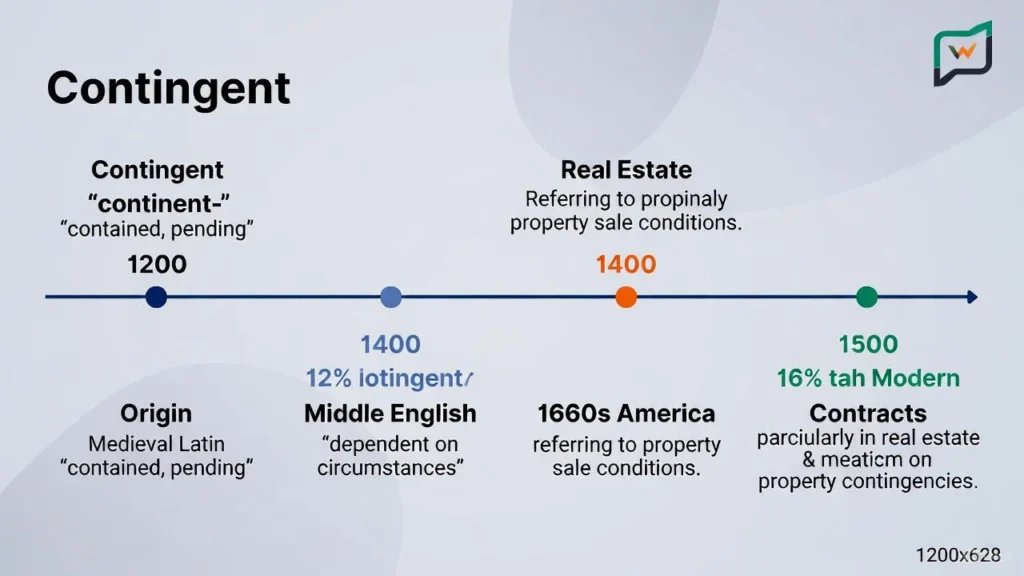
The term contingent comes from the Latin contingere, meaning “to touch upon” or “to happen.” Initially used in formal agreements and contracts, it evolved into real estate jargon, especially in the U.S. housing market.
Today, platforms like Realtor.com and Zillow use the term in listings:
- Active contingent: Offer accepted but waiting on conditions like inspection, financing, or appraisal.
- Contingent: Generally means a contract exists but is not yet final.
Real estate professionals often get questions like:
- what does contingent mean on a house sale
- what does contingent mean when buying a house
- in real estate what does contingent mean
Understanding this history helps buyers and sellers navigate transactions efficiently.
Usage in Various Contexts

1. Real Estate
- “The house is contingent on a satisfactory home inspection.”
- “Active contingent means the seller has accepted an offer but contingencies remain.”
People often ask:
- what does contingent mean on a home sale
- what does contingent mean on Realtor
- what does contingent mean on Realtor.com
2. Professional & Contractual Contexts
- “Your promotion is contingent on completing the certification.”
- “Payment is contingent upon delivery of services.”
3. Casual Usage
- “Our picnic is contingent on it not raining.”
- “Attendance at the party is contingent on finishing homework first.”
Common Misconceptions & Clarifications
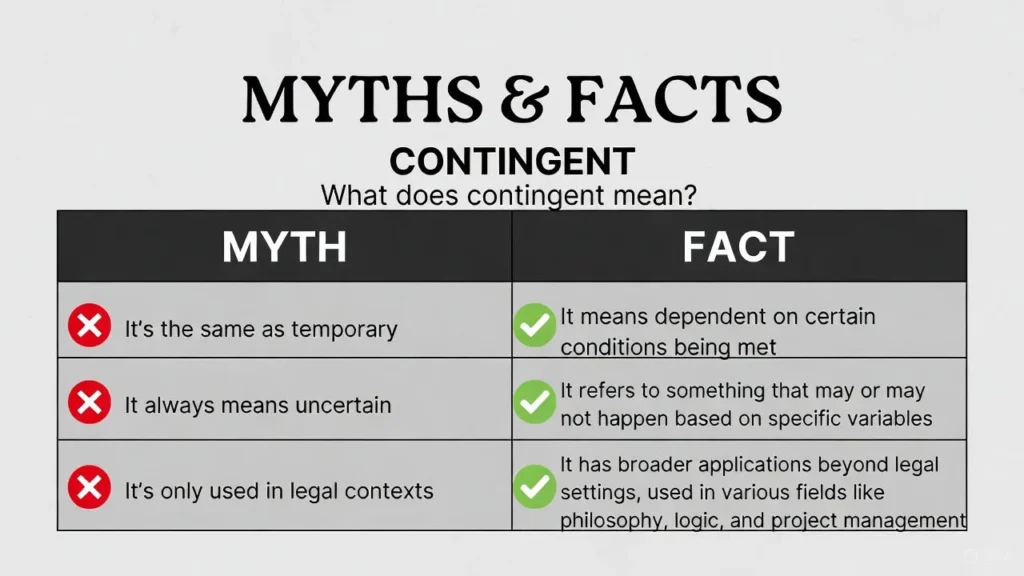
Some think contingent means:
- The deal is final ✅ (False)
- Seller is unsure or untrustworthy ✅ (False)
Even misspellings like contingent mean or whats contingent mean don’t change the meaning—it’s all about dependency on conditions.
Similar Terms & Alternatives

| Term | Meaning | Example |
|---|---|---|
| Conditional | Dependent on conditions | “Offer conditional on approval.” |
| Pending | Waiting to be finalized | “Sale pending inspection.” |
| Subject to | Requires another event | “Contract subject to financing.” |
| Provisional | Temporary, until finalized | “Provisional acceptance until verification.” |
These terms often appear in real estate listings and help answer queries like:
- what does contingent mean on a real estate listing
- what does contingent mean real estate
How to Respond to Contingent Situations

Casual Response:
“Thanks for clarifying—it makes sense that the sale is contingent.”
Professional Response:
“I understand the offer is contingent. I’ll ensure all requirements are met promptly.”
Funny Response:
“Contingent? So basically, fingers crossed until the inspection!”
Regional or Cultural Differences

- U.S. and Canada: Standard in real estate transactions and contracts.
- Other regions: May use terms like “conditional,” “pending,” or “subject to approval.”
Tone and context matter; misusing it can make professional or casual conversations confusing.
Comparison With Similar Terms

| Feature | Contingent | Conditional | Pending |
|---|---|---|---|
| Meaning | Dependent on conditions | Based on conditions | Awaiting finalization |
| Tone | Formal | Neutral | Neutral |
| Usage | Real estate, business | Contracts, agreements | General notifications |
Usage in Online Platforms
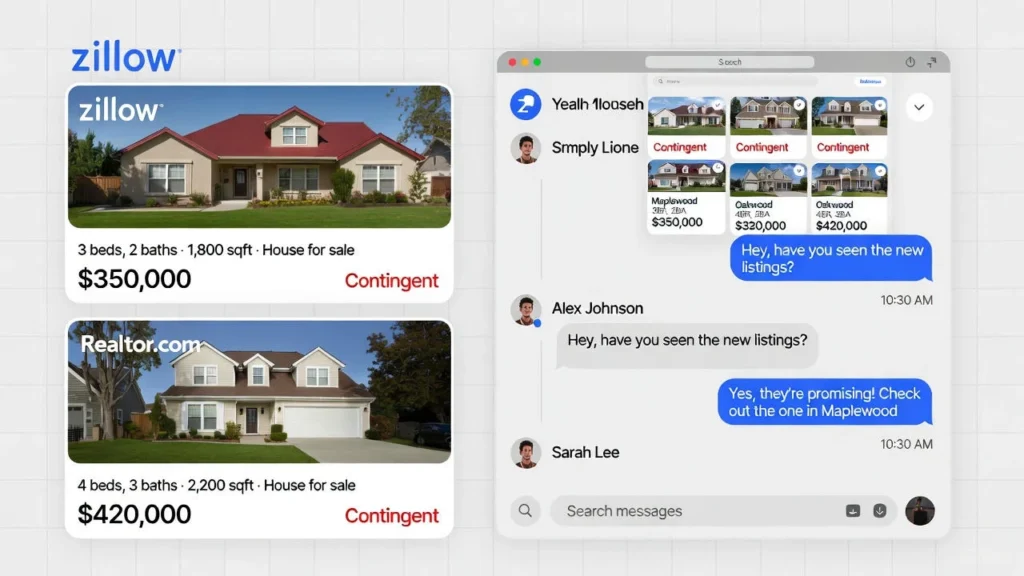
- Zillow: Houses marked as contingent indicate an offer is accepted, but conditions remain.
- Realtor.com: Listings may say “contingent” or “active contingent” for clarity.
- Casual chats: “Our meeting is contingent on traffic being light.”
Hidden or Offensive Meanings
- No offensive meaning exists.
- Confusion arises if someone assumes contingent means uncertain or unreliable, which is incorrect.
Suitability for Professional Communication
- Highly suitable in contracts, business communication, and real estate transactions.
- For casual conversations, use simpler alternatives like: “depends on” or “subject to conditions.”
FAQs
- What does contingent mean?
Dependent on specific conditions or events. - What does contingent mean in real estate?
A house or sale is contingent if certain conditions like inspection or financing must be met. - What does contingent mean on Realtor?
Listing indicates an accepted offer with pending contingencies. - What is active contingent?
An accepted offer with remaining contingencies like financing or inspection. - What does contingent mean when buying a house?
The purchase will only proceed if all conditions in the contract are satisfied. - What does contingent mean on Zillow?
It shows the home is under contract but conditional on specific requirements. - What’s contingent mean in casual use?
It means plans or events depend on certain factors being met.
Conclusion
Contingent meaning is about dependency on conditions.
If in real estate, professional contracts, or casual conversations, it indicates that something will only happen if specific requirements are fulfilled.
Understanding it helps buyers, sellers, and professionals communicate clearly, make informed decisions, and avoid confusion.
Now, whenever you see “contingent” on a house listing, on Zillow, Realtor.com, or in daily life, you’ll know exactly what it means.
