
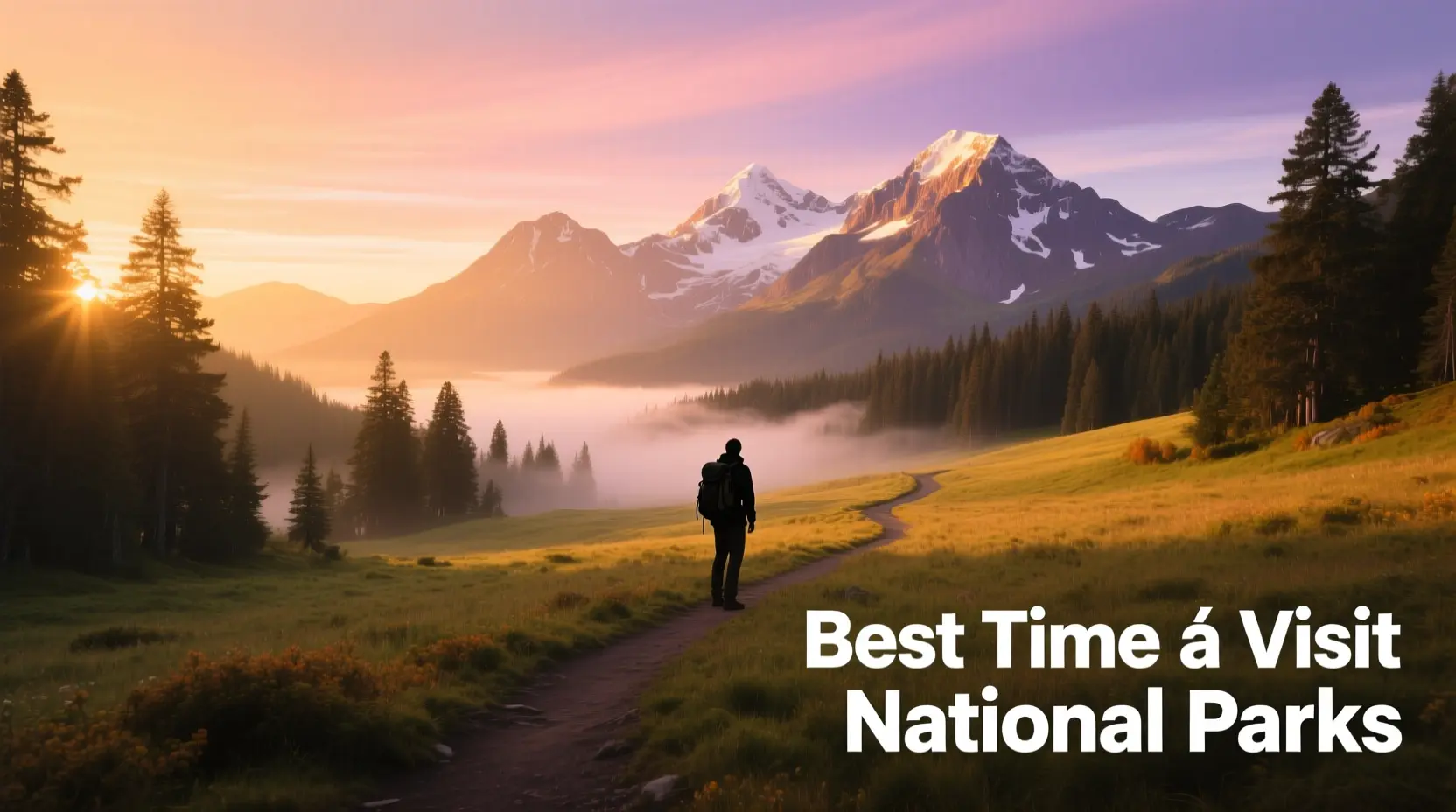

National parks are some of the most beautiful places in the world. They give us a chance to enjoy nature, see wildlife, and relax away from busy city life.
Visiting a national park can be an unforgettable experience, but the time of year you go can make a big difference. Weather, crowds, and wildlife all change with the seasons.
If you plan carefully, you can have a much better experience. This guide will help you understand the best time to visit national parks, so you can enjoy your trip to the fullest.
Spring: A Season of Renewal
Spring is one of the best times to visit many national parks. The weather starts to warm up after the cold winter, and plants begin to grow again. Flowers bloom, and many animals become more active. You can enjoy colorful landscapes and see baby animals in some parks.
Spring is also less crowded than summer. This means you can enjoy hiking trails and viewpoints without too many people around. However, some parks may still have snow or muddy trails in early spring, so check the conditions before you go. Overall, spring is perfect for those who love mild weather, nature’s beauty, and a peaceful environment.
Summer: Warm Weather and Long Days
Summer is the most popular time to visit national parks. The days are long, and the weather is usually warm and sunny. This makes it easier to go hiking, camping, and exploring. Many parks also have special activities during summer, such as guided tours, ranger programs, and events for families.
However, summer is also the busiest season. Popular parks can be crowded, and accommodation may be harder to find. Some parks in hot areas may have very high temperatures, which can make outdoor activities uncomfortable. If you plan to visit during summer, it is best to book your stay in advance and start your hikes early in the morning to avoid the heat and crowds.
Fall: Beautiful Colors and Quiet Trails
Fall is a wonderful season to visit national parks, especially for those who enjoy nature’s colors. Trees change to red, orange, and yellow, creating beautiful landscapes. The weather is usually cooler than summer, making hiking and outdoor activities more comfortable.
Fall is also less crowded than summer. Many people return home after the busy summer season, so trails, viewpoints, and roads are quieter. Wildlife can also be easier to spot, as animals prepare for winter. Some parks may close certain roads or facilities in late fall, so it is important to check park information before visiting. Overall, fall is perfect for photography, peaceful walks, and enjoying crisp, fresh air.
Winter: Snowy Adventures and Peaceful Landscapes
Winter is the least popular season for visiting national parks, but it has its own charm. Many parks look magical with snow-covered trees, frozen lakes, and quiet trails. Winter is a great time for people who enjoy snow activities like skiing, snowshoeing, and winter photography.
Because fewer people visit during winter, you can enjoy the park in peace. Wildlife may be harder to spot, as some animals hibernate or move to warmer areas, but others, like deer and birds, are easier to see against the snow. Some roads and facilities may be closed due to snow, so it is important to plan ahead. Winter is perfect for visitors looking for a quiet, unique experience.
Factors to Consider When Choosing the Best Time
When planning your visit, consider a few key factors to decide the best time for you:
- Weather: Check average temperatures, rainfall, and snow. Choose a season that suits your comfort level.
- Crowds: Summer is the busiest, while spring, fall, and winter are quieter.
- Wildlife: Some animals are easier to see in certain seasons, like baby animals in spring.
- Activities: Certain activities, like hiking, camping, and skiing, are seasonal.
- Park Facilities: Check which trails, roads, and visitor centers are open. Some areas close in winter or early spring.
By keeping these factors in mind, you can plan a trip that matches your interests and needs.
Tips for a Great National Park Visit
No matter when you visit, there are a few tips to make your trip more enjoyable:
- Plan Ahead: Check park websites for information about weather, road closures, and permits.
- Pack Properly: Bring comfortable clothes, sturdy shoes, and any equipment for your planned activities.
- Stay Safe: Follow park rules, keep a safe distance from wildlife, and be prepared for changing weather.
- Arrive Early: Especially in popular parks, arriving early helps avoid crowds and secures parking.
- Respect Nature: Leave no trace, pick up trash, and protect the natural environment.
These simple tips can make your visit safer, easier, and more enjoyable.
Conclusion
The best time to visit national parks depends on what you want from your trip. Spring offers blooming flowers and active wildlife, summer gives long sunny days and many activities, fall brings colorful landscapes and quiet trails, and winter creates magical snowy scenery.
By considering the weather, crowds, wildlife, and activities, you can choose the season that fits your interests.
No matter when you go, national parks provide unforgettable experiences, fresh air, and beautiful moments with nature. Plan carefully, and your visit will be one to remember forever.
