


If you’re looking for the avid meaning? Do not worry, we are here to satisfy your thirst for this Gen Z. Avid Meaning Slang is often used informally to describe someone who is deeply into a subject, activity, or trend, emphasizing their commitment or obsession in a casual, conversational way.
Avid means being highly enthusiastic or eager about something. While similar to being smitten, which conveys emotional captivation, avid emphasizes keen interest rather than affection. Whether it’s a hobby, a sport, or a particular interest, an avid person shows strong dedication and excitement.
In this guide, we’ll explain the meaning of avid, explore its origins, provide real-life examples, discuss usage in different contexts, and share synonyms and related terms to help you express enthusiasm accurately.
What Does Avid Mean?
Avid refers to being intensely enthusiastic, eager, or passionate about something. It highlights strong interest and dedication, whether in hobbies, sports, learning, or trends. In casual speech, it can emphasize just how much someone enjoys or follows a particular activity.
Example Sentences:
- “She is an avid reader, finishing multiple books every month.”
- “He’s an avid fan of basketball and never misses a game.”
- “They’re avid gamers, spending hours exploring new releases.”
Key Points to Remember:
- Avid usually conveys strong passion or enthusiasm.
- Often used in both formal and informal contexts.
- Can describe hobbies, interests, sports, learning, or fandoms.
- Highlights commitment, energy, and excitement toward an activity or subject.
In Short:
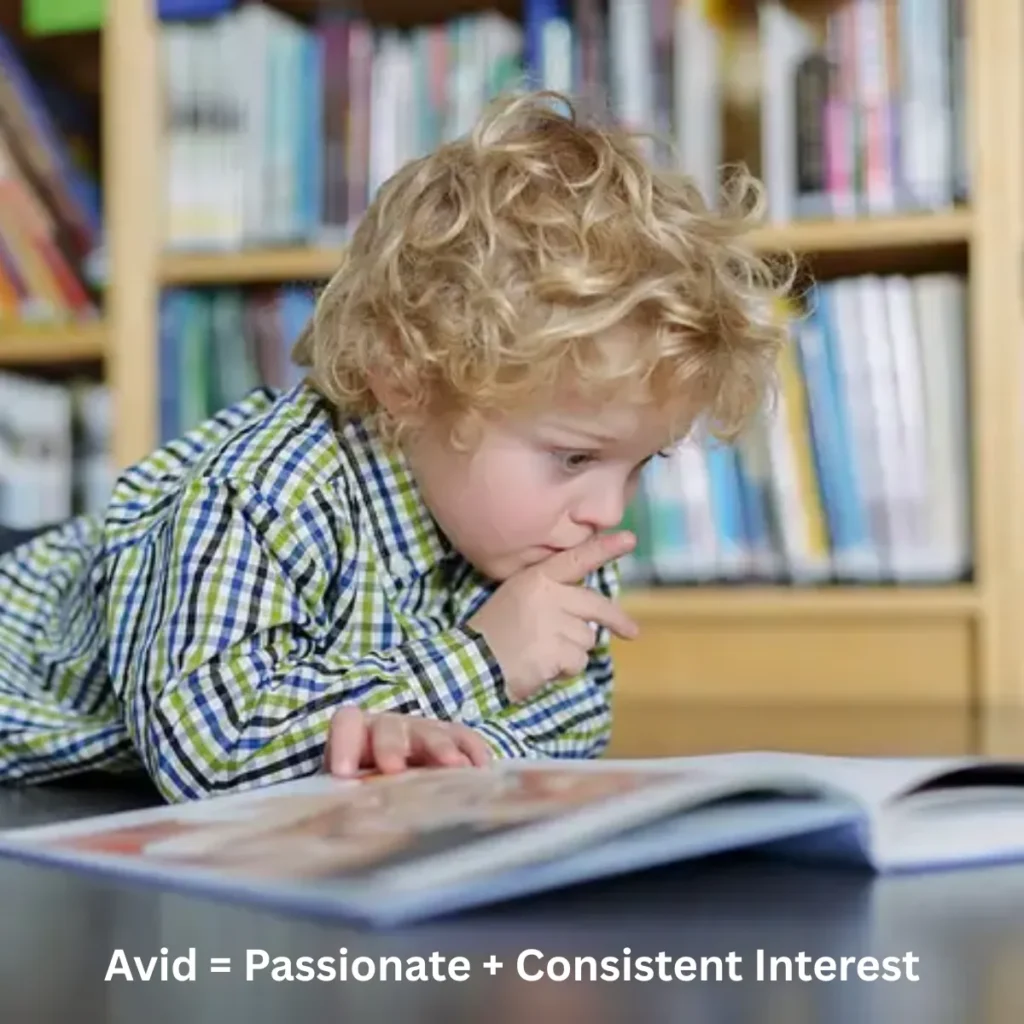
Avid = Passionate + Consistent Interest
Origin & History
The word avid comes from Latin. The original Latin word avidus meant “eager” or “greedy,” and it showed a strong desire for something. Over time, avid in English came to mean someone keenly interested or dedicated.
Timeline of Avid:
- 1600s: Used in literature to show greed or hunger.
- 1800s: Shifted to mean “eagerly wanting” something.
- 1900s–Today: Commonly means “enthusiastic” or “passionate.”
In the past, Avid had a stronger tone, sometimes sounding negative. But today, it’s more positive. Being called an avid learner or avid fan is a compliment!
You’ll find avid in books, news articles, blogs, resumes, and everyday chats. It’s popular in schools, offices, fan communities, and especially online.
Usage in Various Contexts
Let’s see how avid is used across different platforms and conversations:
1. Text Messages
Tom: “Are you really into anime?”
Sam: “Definitely. I’m an avid anime watcher!”
2. Social Media
“As an avid runner, I can’t wait for the spring marathon. #RunningLife”
3. Gaming
In a gamer bio: “Avid FPS player. Always down for ranking.”
Player chat:
Zane: “Bro, you know all the loot spots!”
Leo: “I’m an avid Apex player. I study the map.”
4. Professional or Academic Settings
“She’s an avid researcher in climate science.”
“He’s an avid reader of tech news.”
Bottom Line:
No matter the platform, the word avid adds depth and shows you’re not just interested—you’re invested.
Common Misconceptions & Clarifications
Some people misunderstand avid. Let’s clear that up.
1: “Avid” = Addicted
Not true. Avid means enthusiastic, not unhealthy obsession.
❌ “He’s an avid coffee drinker. He needs help.”
✅ “He’s an avid coffee drinker. Loves his morning brew.”
2: “Avid” is Always Formal
It’s not. It works in both casual and professional settings.
Friend: “You’re an avid fan of Taylor Swift, huh?”
Colleague: “I’m an avid user of project management tools.”
3: “Avid” Sounds Braggy
Only if overused. Used naturally, it’s just expressive.
Alternatives & Similar Terms
If you want variety, try these instead of avid:
| Term | Meaning | Tone |
| Passionate | Strong feelings or devotion | Warm, serious |
| Obsessed | Extreme focus or interest | Casual, playful |
| Fanatic | Intense enthusiasm | Slightly extreme |
| Devoted | Loyal and consistent | Formal |
| Die-hard | Loyal no matter what | Informal, strong |
| Hardcore | Deeply committed | Very casual |
How to Respond
When someone calls themselves avid, how do you reply? Try these styles:
Casual Conversation
Alex: “I’m an avid skateboarder.”
You: “That’s awesome! How long’ve you been riding?”
Funny Conversation
Friend: “I’m an avid napper.”
You: “Living the dream lifestyle!”
Professional Setting
Coworker: “I’m an avid researcher in UX design.”
You: “That’s impressive—have you published anything?”
Privacy-Conscious
Match: “I’m an avid traveler.”
You: “Cool! What’s your favorite place so far?”
Regional or Cultural Differences
The word avid is widely understood in English-speaking countries like the US, UK, Canada, and Australia. But it’s less common in informal slang in places like India or parts of Southeast Asia, where words like “wild about” or “mad for” might be more common.
In British English, keen is often used similarly:
“He’s a keen football fan.” = “He’s an avid football fan.”
Comparison with Similar Terms
Here’s how Avid compares with similar expressions:
| Term | Meaning | Intensity | Formality |
| Avid | Strong, steady interest | High | Medium |
| Obsessed | All-consuming interest | Very high | Low |
| Enthusiastic | Happy, eager involvement | Medium | Medium |
| Devoted | Faithful, consistent | High | High |
| Fanatical | Extreme, possibly intense | Very high | Low |
Usage in Online Communities & Dating Apps
Online, Avid shows dedication. It’s great for bios:
- Tinder Bio: “Avid hiker, dog dad, Netflix connoisseur.”
- Twitter Bio: “Avid coder | Cat lover | Meme maker”
In gaming groups:
“Looking for avid players for ranked matches.”
Tips for Replying:
- Match their energy: If they say they’re an avid fan, ask what they like most.
- Be relatable: Share your interests if similar.
- Be respectful: Don’t mock the word—it shows genuine interest.
Hidden or Offensive Meaning
The good news: Avid is not offensive. It doesn’t have any inappropriate meanings.
However, tone and context matter.
✅ “I’m an avid dog walker.”
❌ “I’m an avid stalker.” (Even joking, this can feel creepy.)
Avoid pairing avid with negative or sensitive topics, especially in public or dating profiles.
Suitability for Professional Communication
Avid works well in resumes, cover letters, and interviews.
“I’m an avid learner who enjoys mastering new technologies.”
Professional Alternatives:
- Passionate
- Enthusiastic
- Dedicated
- Committed
“As a committed writer, I produce high-quality content weekly.”
So yes—Avid is workplace-safe, but match your tone to your audience.
FAQ
1. What does avid mean?
Avid means having a strong passion, enthusiasm, or eagerness for something. It’s often used to describe people deeply interested in an activity, like an avid reader or avid gamer.
2. Is avid considered slang?
No, “avid” is not slang. It’s a standard English adjective. However, it’s commonly used in casual or online conversations, which sometimes gives it a slang-like feel.
3. Can avid be used playfully or exaggeratedly?
Yes! People often use “avid” in a lighthearted or exaggerated tone—like calling someone an avid flirt or avid troublemaker—especially in texting or social media.
4. Is avid appropriate in formal writing?
Avid works well in both formal and informal writing. It’s a strong, positive word that emphasizes interest or dedication.
5. What are some synonyms for avid?
Similar words include enthusiastic, passionate, devoted, eager, and keen—all suggesting strong interest or commitment.
Conclusion
In short, avid describes someone who is intensely enthusiastic, passionate, or eager about something. Whether it’s a hobby, sport, or personal interest, being avid shows dedication, excitement, and commitment.
Understanding the meaning of avid, along with its synonyms and examples, helps you express enthusiasm more clearly and accurately in both formal and informal contexts. Next time you want to describe someone’s strong passion or keen interest, using avid can make your language more precise and engaging.
Remember, whether in writing or conversation, avid is a versatile word that conveys both energy and dedication—perfect for highlighting someone’s true enthusiasm.
Happy texting!
